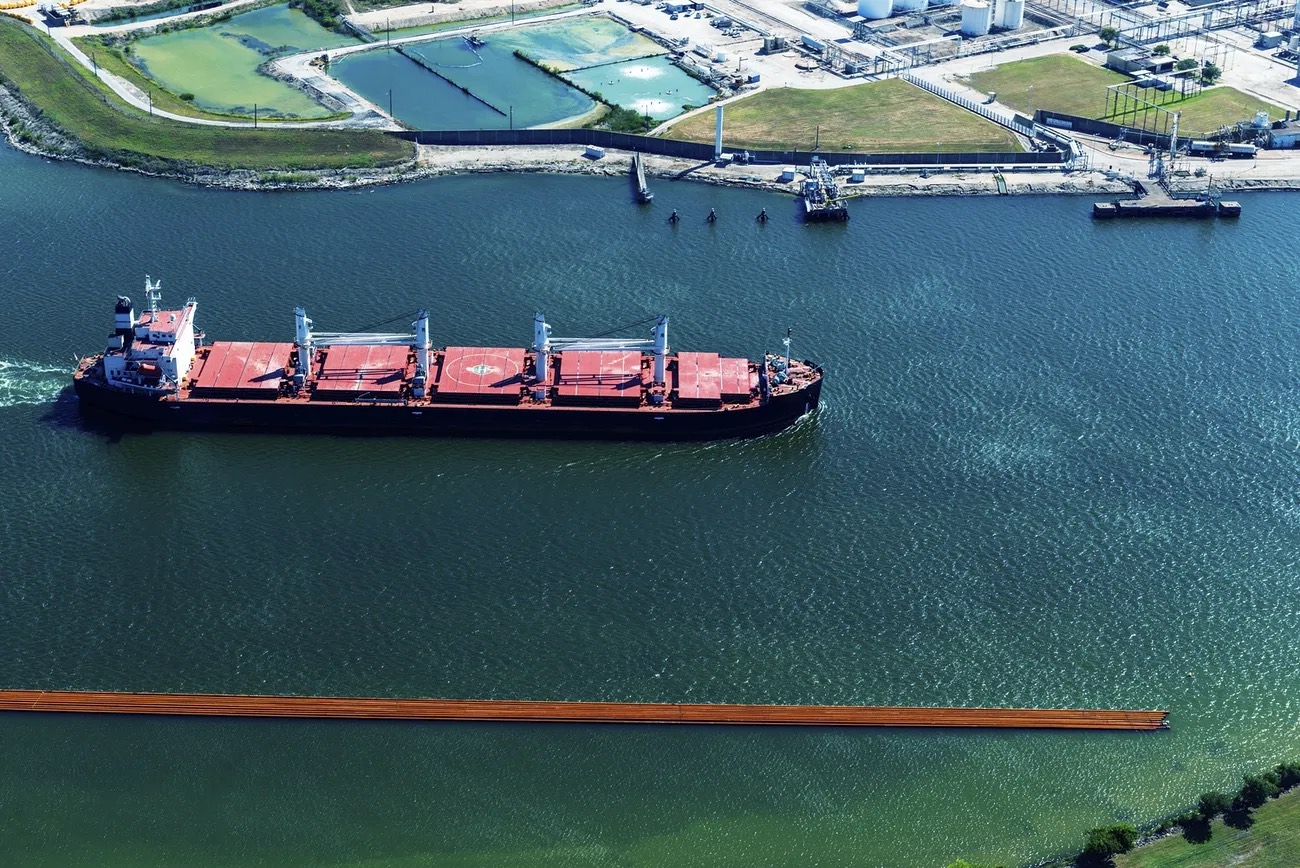
Trade has always been a cornerstone of human civilization, transcending borders, ideologies, and time. From ancient barter systems to modern globalized supply chains, the movement of goods, services, and ideas has played a crucial role in shaping societies and redistributing power. The phrase “power flows where trade arrives” captures the essence of this dynamic relationship, highlighting how commerce not only facilitates economic growth but also serves as a conduit for political, cultural, and technological influence. In this article, we explore how trade acts as a vehicle for power, shaping the destinies of nations and communities through historical and modern examples.
Historical Context: Trade as a Catalyst for Dominance
Trade has been a driver of civilization and power for millennia, and history is replete with examples of its transformative influence:
- Mesopotamia and the Dawn of Trade: The earliest known trade networks emerged in Mesopotamia around 3000 BCE. The Sumerians engaged in long-distance trade, exchanging surplus grain, textiles, and pottery for precious metals, timber, and luxury goods. This exchange facilitated the rise of city-states, centralizing power and wealth, and laying the foundation for early economic systems.
- Ancient Egypt and the Nile: The Nile River served as a trade artery for ancient Egypt, connecting the Mediterranean world to sub-Saharan Africa. Trade in gold, papyrus, and grain helped Egypt become a dominant power in the ancient world, supporting monumental construction projects like the pyramids and strengthening its influence over neighboring regions.
- The Silk Road: Spanning Asia, Europe, and Africa, the Silk Road enabled the exchange of silk, spices, tea, and technology between empires. Cities like Samarkand, Kashgar, and Constantinople flourished as trade hubs, becoming centers of culture and innovation. The flow of goods also facilitated the spread of religions such as Buddhism, Islam, and Christianity, profoundly shaping global history.
- The Indian Ocean Trade Network: Between the 1st and 15th centuries, the Indian Ocean connected civilizations from East Africa to Southeast Asia. Merchants traded gold, ivory, spices, and textiles using advanced navigation techniques. The Swahili Coast, Indian port cities, and the Sultanate of Malacca grew wealthy and powerful through this trade network, fostering cultural exchanges and technological advancements.
- The Age of Exploration: During the 15th and 16th centuries, European powers such as Spain, Portugal, and later the Netherlands and England, sought direct access to Asian spices and African gold by establishing maritime trade routes. Colonization and the control of these routes enabled these nations to amass wealth, project military power, and dominate global politics for centuries.
- The Transatlantic Trade: The triangular trade between Europe, Africa, and the Americas during the 17th and 18th centuries reshaped economies and societies. The exchange of goods like sugar, tobacco, and enslaved people generated immense wealth for European powers, albeit at the cost of human suffering and exploitation.
Modern Trade and Global Power
In today’s interconnected world, trade still dictates power dynamics but in more nuanced ways. Let’s examine how:
- Economic Influence: Nations with diversified trade portfolios hold considerable sway in global markets. China, for example, has leveraged its position as a manufacturing giant to establish economic ties across continents, especially through initiatives like the Belt and Road.
- Soft Power and Cultural Exchange: Trade introduces cultures, ideologies, and lifestyles to new regions. American fast food, Korean pop culture, and French fashion have become global phenomena, shaping consumer behavior and cultural norms.
- Technological Leadership: Trade in technology—from semiconductors to artificial intelligence—determines which countries lead in innovation. The U.S. and China’s competition in tech exports exemplifies this.
- Strategic Alliances and Dependencies: Trade agreements like NAFTA (now USMCA) and the European Union demonstrate how economic partnerships translate into political alliances. Conversely, dependency on trade, such as Europe’s reliance on Russian energy, can also make nations vulnerable.
Trade as a Double-Edged Sword
While trade can empower, it also exposes nations to risks:
- Economic Dependency: Over-reliance on a single trade partner can lead to economic vulnerabilities, as seen during the COVID-19 pandemic when supply chain disruptions highlighted global dependencies.
- Unequal Power Dynamics: Trade imbalances can exacerbate inequalities, allowing more powerful nations to exert disproportionate influence over weaker economies.
- Environmental Impact: The carbon footprint of global trade, from shipping to production, poses challenges for sustainable development.
The Future: Navigating Trade and Power
As the world moves toward a multipolar system, trade will remain central to the distribution of power. Emerging technologies like blockchain and AI may redefine how trade is conducted, enhancing transparency and efficiency. Simultaneously, geopolitical shifts—such as the rise of India, the strengthening of ASEAN economies, and the push for decarbonization—will reshape trade networks.
To harness trade’s potential for empowering communities, stakeholders must prioritize equitable agreements, sustainability, and innovation. Policymakers, businesses, and individuals alike play a role in ensuring that trade continues to be a force for good.
Conclusion
The flow of goods and services is more than an economic activity; it’s a powerful force that shapes civilizations. Where trade arrives, it brings prosperity, innovation, and influence, redistributing power in its wake. By understanding and leveraging this synergy, we can create a future where the benefits of trade extend beyond wealth, fostering a more connected and equitable world.